

National Pet Wellness Month: Helping Pets Live Longer
Pet owners know that their furry, feathered, or scaly friends are more than just animals — they’re family. And, just like any other family member, pets need regular checkups to stay healthy and live long lives. That’s why September is National Pet Wellness Month, a time to focus on keeping our animal companions happy and healthy.
National Pet Wellness Month Explained
National Pet Wellness Month was created by the American Veterinary Medical Association (AVMA). According to the AAHA, the goal of National Pet Wellness Month is to “educate pet owners about the importance of preventive care for their animal companions.”
Preventive care is key to keeping pets healthy, and it starts with regular checkups. The AAHA recommends that all dogs and cats have a physical exam at least once a year, and more often as they age. Pets should also have their teeth checked and cleaned regularly, and receive vaccinations according to their veterinarian’s recommendations.
Why Wellness Exams are Important for Pets
Wellness exams help pets live longer, healthier lives by detecting and treating health problems early. Pets age faster than humans, so it’s important to have them see a veterinarian at least once a year for a checkup.
During a wellness exam, the veterinarian will check the pet’s weight, temperature, and vital signs; examine the eyes, ears, and mouth; and feel the abdomen for any abnormalities. The veterinarian will also update the pet’s vaccinations and discuss any concerns the pet owner has about the pet’s health.
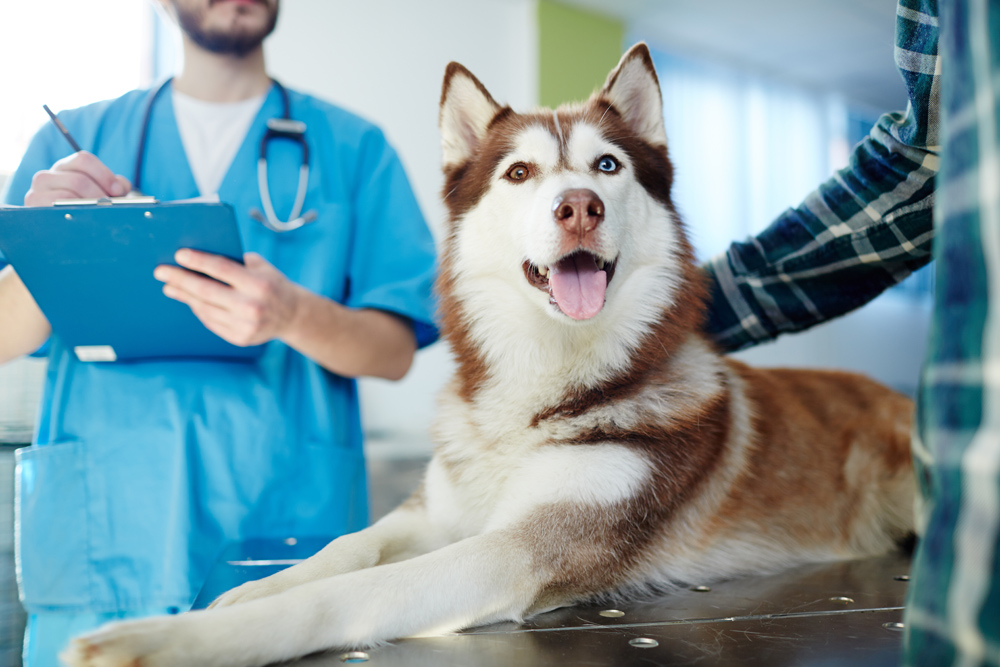
Here are some tips on how to help your pet live a long and healthy life:
1. Schedule Regular Checkups
One of the best things you can do for your pet is to take them to the veterinarian for regular checkups. These appointments are important for keeping your pet up-to-date on vaccinations and for detecting any health problems early. The AAHA recommends that all dogs and cats have a physical exam at least once a year, and more often as they age.
2. Make sure Your Pet is Up-To-Date on Vaccinations
Vaccinations are an important part of preventive care for pets. They help protect against serious and often deadly diseases, such as rabies, distemper, and hepatitis. Talk to your veterinarian about which vaccinations are right for your pet, and make sure to keep up with the schedule.
3. Use Preventives to Protect Your Pet From Parasites
Parasites, such as fleas, ticks, and heartworms, can cause serious health problems for pets. Luckily, there are many products available to help prevent these parasites. Talk to your veterinarian about which product is right for your pet, and be sure to follow the directions carefully.
4. Feed Your Pet a Healthy Diet
A healthy diet is important for all pets, and many different types of food are available to meet your pet’s needs. Talk to your veterinarian about which type of food is right for your pet, and be sure to follow the feeding instructions carefully.
5. Keep Your Pet Active With Exercise
Exercise is important for all pets and can help them stay healthy and fit. Take your dog for walks, play fetch with them, or take them to the dog park. Cats can also benefit from exercise, so try playing with them with a toy or laser pointer.
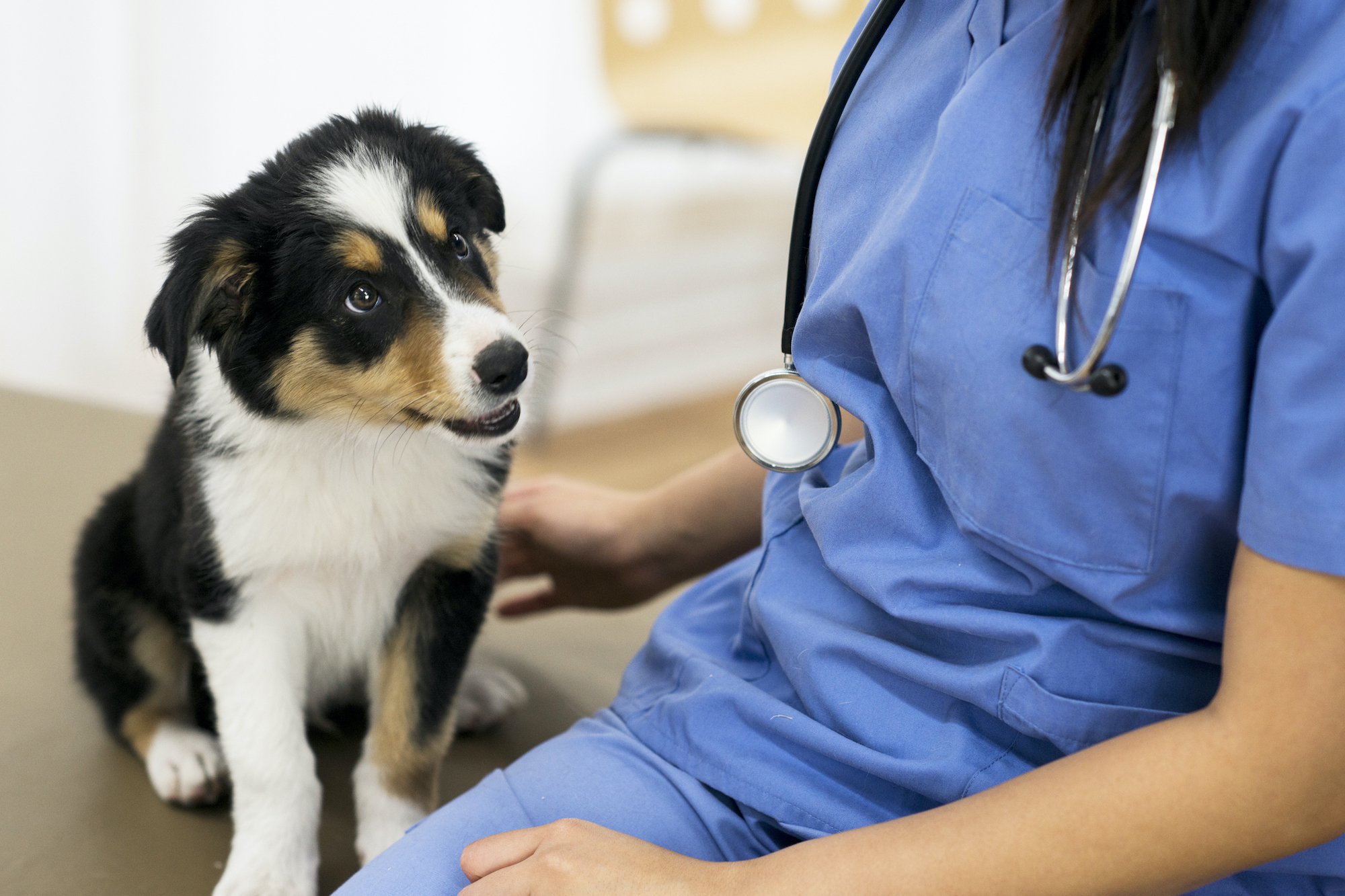
6. Practice Good Dental Care for Your Pet
Good dental care is important for your pet's overall health, and it can help them live a longer life. Make sure to brush your pet's teeth regularly, and take them to the vet for professional cleanings as needed. You can also prevent dental problems by feeding your pet a healthy diet and avoiding hard or crunchy foods that can damage their teeth.
Try to brush your pet's teeth at least three times a week. You should also have your pet's teeth checked by a veterinarian at least once a year.
7. Keep Your Pet's Living Area Clean
Pets can bring germs and dirt into the house, so it's important to keep their living area clean. Wash their bedding in hot water at least once a week.
Sweep or vacuum the floor around their living area daily. And, if your pet goes outside, be sure to clean their feet off when they come back inside.
8. Be Alert for Sudden Changes in Behavior
Pets can't tell us when they're not feeling well, so it's important to be alert for sudden changes in behavior. If your pet is acting lethargic, not eating, or seems to be in pain, call your veterinarian right away.
9. Have Your Pet Microchipped
If your pet ever gets lost, a microchip can help them find its way back to you. A microchip is a small chip that's implanted under your pet's skin.
The chip contains your contact information, so if your pet is found, the shelter or veterinarian can scan the chip and get in touch with you.
10. Give Them Plenty of Attention and Affection
Pets need love and attention just like we do. Spend time playing with your pet every day, and give them plenty of hugs and kisses.
They'll love you for it, and it will help them stay happy and healthy.
Signs You Need to Bring Your Pet to the Vet ASAP
While you can take care of most basic pet needs at home, there are certain things that only a professional can do.
If your pet is showing any of the following signs, it's time to call the vet:
1. Your Pet is Acting Strangely
If your pet is acting out of character, this could be a sign of a health problem.
If your pet is lethargic, doesn't want to eat, is vomiting, or has diarrhea, this is also a sign that something is wrong.
2. Your Pet is Injured
If your pet is injured, you'll need to take them to the vet right away.
If your pet is bleeding, has a broken bone, or is having trouble breathing, don't wait to get help.
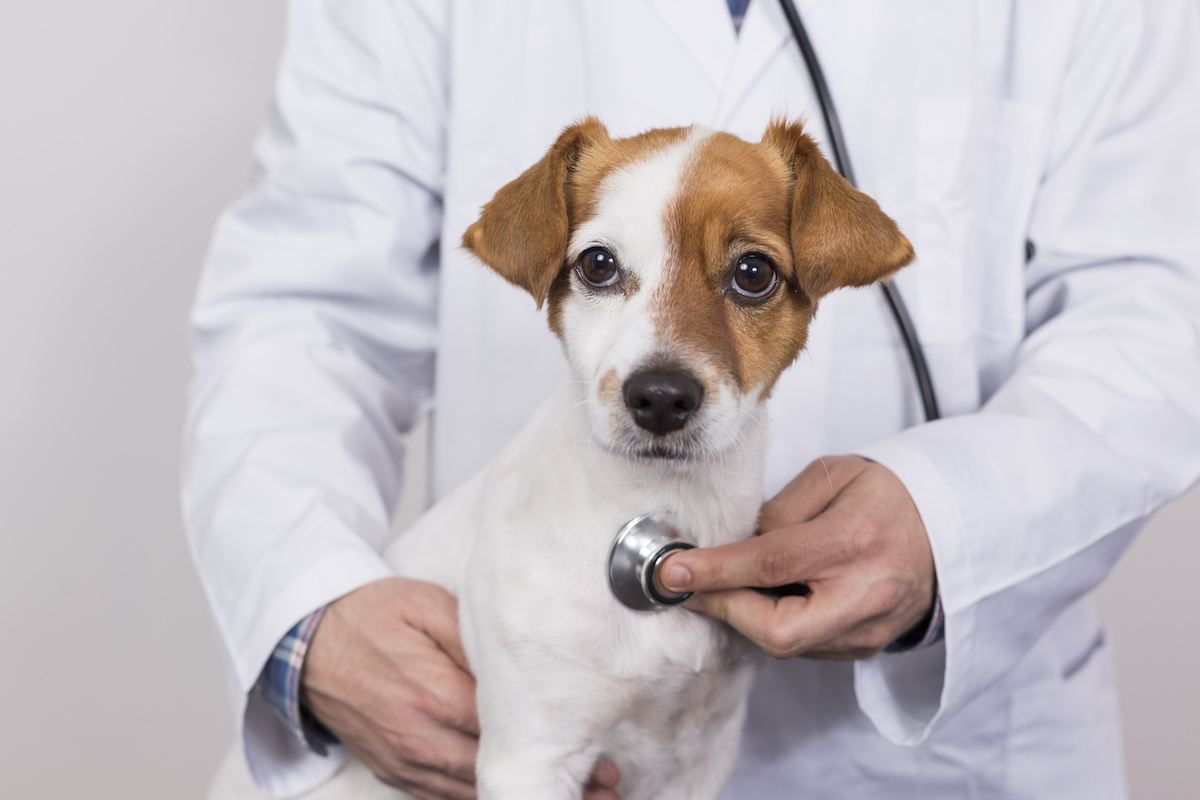
3. Your Pet is in Pain
If your pet is in pain, it's time to see the vet.
If your pet is whimpering, crying, or yelping, this is a sign that something is wrong.
4. Your Pet is Having Seizures
If your pet is having seizures, this is a medical emergency.
Seizures can signify a serious health problem, so you'll need to take your pet to the vet immediately.
5. Your Pet is Having Allergies
If your pet is having allergies, this is a sign that something is wrong.
If your pet is itching, scratching, or has red, inflamed skin, this is a sign of an allergic reaction.
Conclusion
National Pet Wellness Month is a great time to focus on your pet's health and ensure they are living their best life. There are many simple things you can do to help your pet live a long and healthy life, including feeding them a nutritious diet, exercising them regularly, and taking them to the vet for regular check-ups. By taking care of your pet's health, you can help them enjoy a long and happy life by your side.
If you are seeking local pet supplies in Seattle, you can contact EarthWise Pet Fremont. Not only do we offer high-quality pet supplies but also pet grooming at pet dietitian and nutrition services. Contact us to learn more.